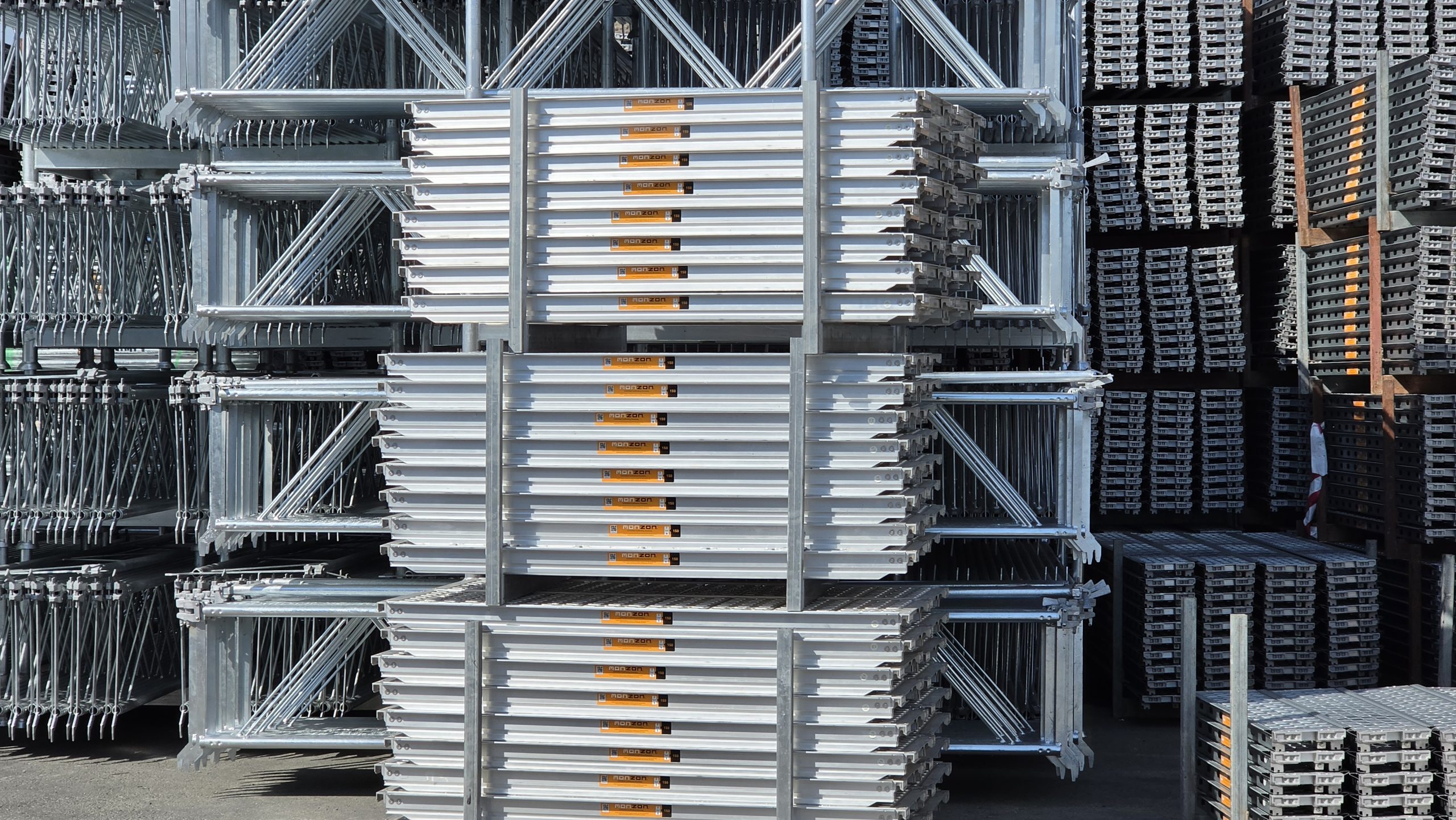



Choosing aluminium or steel scaffolding for a project in Cyprus starts with the work, rather than the metal alone. Aluminium can reduce component handling weight, while steel remains an option within established access systems. However, the correct choice depends on the complete scaffold: its configuration, working platforms, required loads and site conditions.
A.P. Scaffolding Solutions Ltd helps clients assess these requirements using equipment that includes MonZon systems and Altrex aluminium towers. The first question is whether the job needs a mobile tower, a façade scaffold or a more complex access arrangement.
| Decision | Aluminium | Steel |
|---|---|---|
| Handling | Lower component weight can help where frequent handling matters. | Assess component weights, delivery access and handling arrangements. |
| System format | Available in mobile towers and modular or frame systems. | Available in modular and other access configurations. |
| Working loads | Check the specific system and approved configuration. | Check the specific system and approved configuration. |
| Project fit | Compare layout, access, platform size and site constraints. | Compare the same requirements before choosing. |
This comparison is a starting point. Material alone does not establish a scaffold’s load class, permitted height or suitability for a particular task.
Aluminium is worth assessing where equipment must be transported, carried or assembled repeatedly. For example, maintenance teams may need access at several positions within a building. Component weight and storage space then become practical selection criteria.
Altrex’s aluminium scaffolding range includes mobile access towers and folding towers. These formats offer options for localised work, subject to the model’s instructions and the working environment. A mobile tower and a scaffold covering a complete façade serve different access needs, even when both use aluminium.
For a larger access layout, compare steel and aluminium configurations against the same project brief. The number of working levels, space for materials and access route all matter. Avoid assuming that steel automatically permits a higher load, or that aluminium is suitable only for small jobs.
MonZon NO LIMIT is available in steel and aluminium, with frame and modular configurations. Its published range also includes suspended access. This gives project teams options to assess, rather than a universal material choice.

A façade refurbishment, an interior maintenance task and an industrial installation may need very different access. Consequently, the specification should describe the work before naming a preferred material.
For outdoor sites, include the location and exposure in the discussion. For indoor work, explain doorway widths, floor conditions and restrictions on moving equipment. In either case, the supplier needs enough information to assess a suitable arrangement.
These details support a useful comparison of aluminium or steel scaffolding. Also compare what each quotation includes, such as design, delivery, assembly and dismantling where applicable. An equipment price alone does not describe the full access requirement.
Scaffolding Solutions is the sole official distributor of MonZon NO LIMIT in Cyprus and supplies Altrex access equipment. Explore our MonZon NO LIMIT system and our existing Altrex aluminium tower overview for examples of the different formats.
You can also read how MonZon supports adaptable access in Cyprus. The aim is to choose an appropriate system for the job, with our safety message, “No one gets hurt”, at the centre of the discussion.
For advice on aluminium or steel scaffolding for your Cyprus project, call A.P. Scaffolding Solutions Ltd on +357 22 621072 or send your project details. We are part of AP Group of Companies.
